Why Retail Traders Always Lose Money (Real Reasons Explained)
Trading is often presented as an easy way to make money. Social media shows profits, luxury lifestyles, and quick success stories.
But the reality is very different.
Most retail traders lose money.
This is not an opinion—it’s a pattern seen across crypto, stocks, and forex markets.
The real question is not if retail traders lose money, but why.
Who Are Retail Traders?
Retail traders are individual investors who trade using personal funds.
- Small capital
- Limited experience
- No institutional advantage
They compete against professional traders, institutions, and algorithms.

1. Lack of Strategy
Most retail traders enter the market without a clear plan.
They rely on:
- Random tips
- Social media signals
- Emotions
This leads to inconsistent decisions and losses.
Reality: Without a defined strategy, trading becomes gambling.
2. FOMO (Fear of Missing Out)
This is one of the biggest reasons for losses.
Typical cycle:
- Price starts rising
- Retail traders rush to buy
- Whales sell at the top
- Price drops → loss
Key Insight: By the time you see hype, it's usually too late.
3. Emotional Trading
Retail traders react emotionally instead of logically.
- Fear → selling at loss
- Greed → buying at peak
This creates a cycle of repeated losses.
4. Overtrading
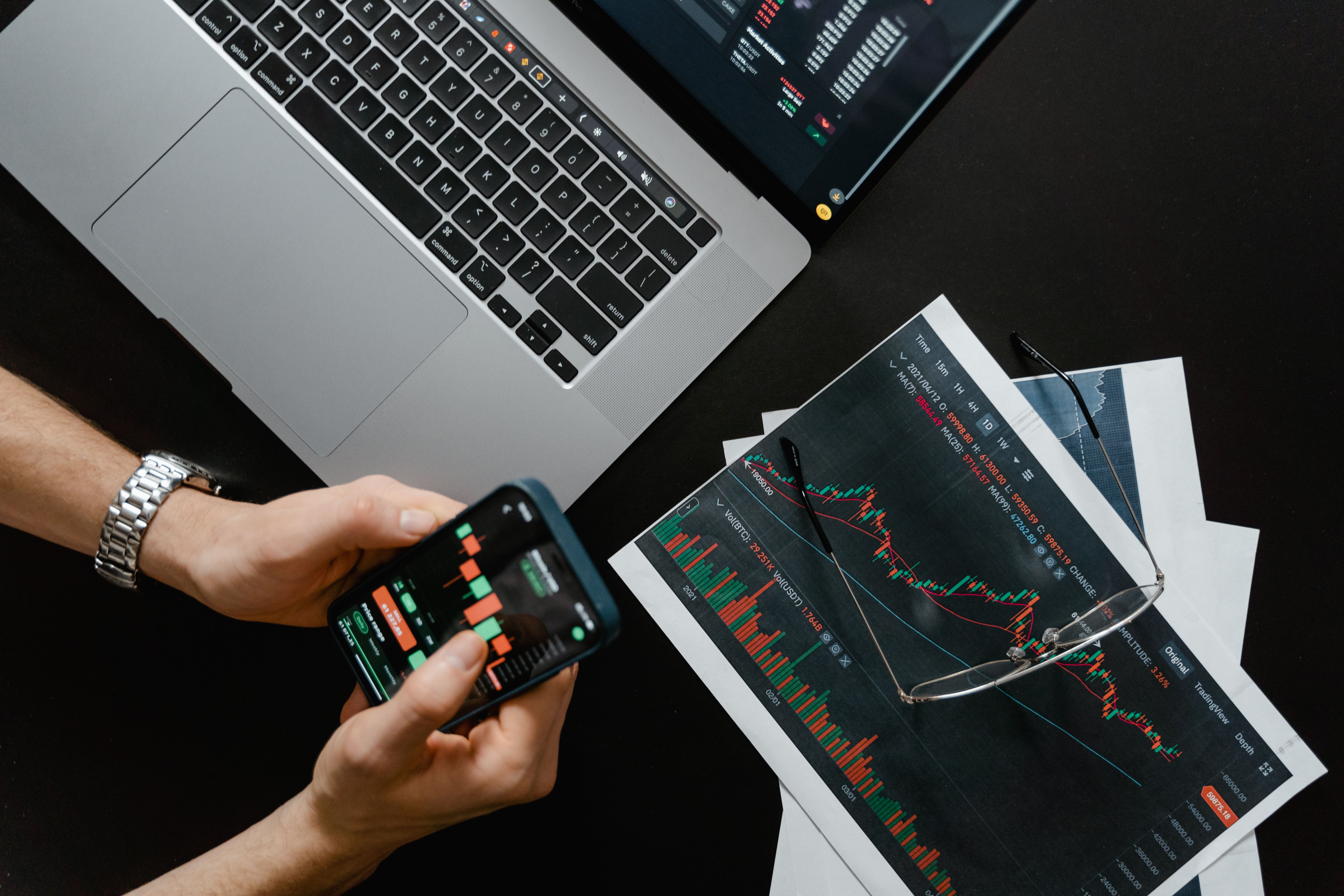
Many traders believe more trades = more profit.
Reality:
- More trades = more mistakes
- Higher fees
- Emotional exhaustion
Professional traders often take fewer, high-quality trades.
5. Ignoring Risk Management
This is a critical mistake.
Retail traders often:
- Invest too much in one trade
- Don’t use stop-loss
- Take high leverage
One bad trade can wipe out the entire account.
6. Following Influencers Blindly
Social media has created a new problem.
Many influencers:
- Promote coins for profit
- Hide risks
- Show only winning trades
Retail traders follow blindly—and lose money.
7. Lack of Patience
Most traders want quick profits.
They:
- Exit early
- Enter late
Markets reward patience, not impatience.
8. Competing Against Professionals
Retail traders are not competing with beginners.
They are competing with:
- Institutional traders
- Hedge funds
- Algorithmic trading systems
These players have:
- Better data
- Faster execution
- More capital
This creates an unfair advantage.

9. Misunderstanding Market Structure
Markets move based on liquidity—not emotions.
Retail traders often ignore:
- Support/resistance zones
- Liquidity traps
- Stop hunts
This leads to predictable losses.
10. No Long-Term Plan
Most traders focus only on short-term gains.
They lack:
- Clear goals
- Consistent strategy
- Performance tracking
Without a long-term plan, losses are inevitable.
How to Avoid These Mistakes
To improve your chances:
- Use a clear trading strategy
- Control emotions
- Manage risk properly
- Avoid hype-based decisions
- Focus on long-term growth
Final Verdict
Retail traders lose money not because markets are unfair—but because they make predictable mistakes.
If you avoid these mistakes, you already have an advantage over most traders.
Conclusion
Trading success is not about luck.
It is about discipline, patience, and understanding how markets actually work.
Most people lose because they refuse to learn.
If you take a different approach, your results will also be different.


Comments
Post a Comment