Is Crypto Really Decentralized or Controlled by Whales? (Shocking Truth 2026)
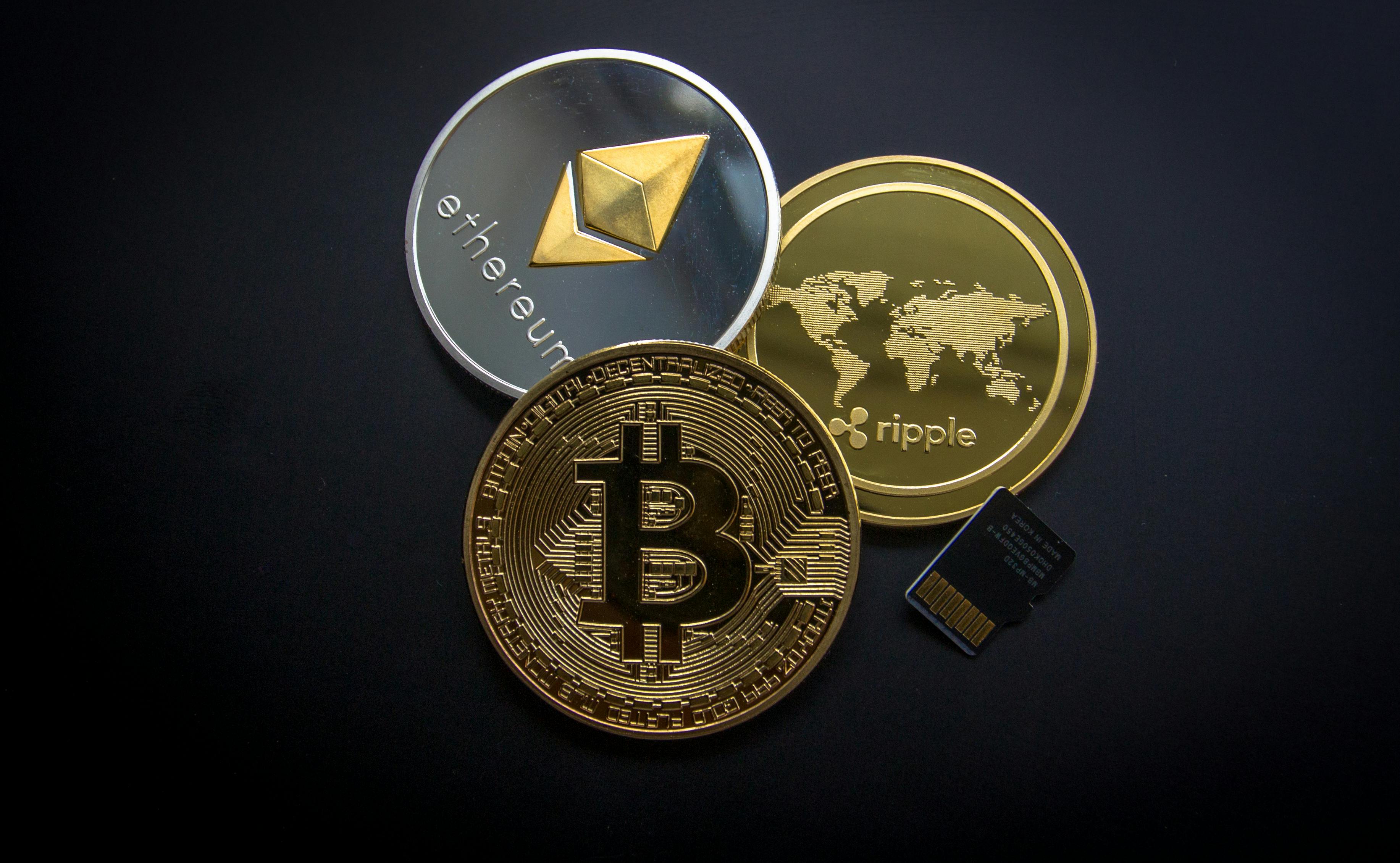
Cryptocurrency was created with one core promise: decentralization. No central authority, no banks, no control.
But in reality, many investors are now asking a serious question:
Is crypto really decentralized, or is it controlled by whales?
This article breaks down the truth using logic, data patterns, and market behavior.
What Does “Decentralized” Actually Mean?
Decentralization means that no single entity controls the network.
- No central bank
- No government ownership
- Transactions verified by distributed nodes
Technically, cryptocurrencies like Bitcoin operate on decentralized networks.
But decentralization in technology does not always mean decentralization in wealth and influence.
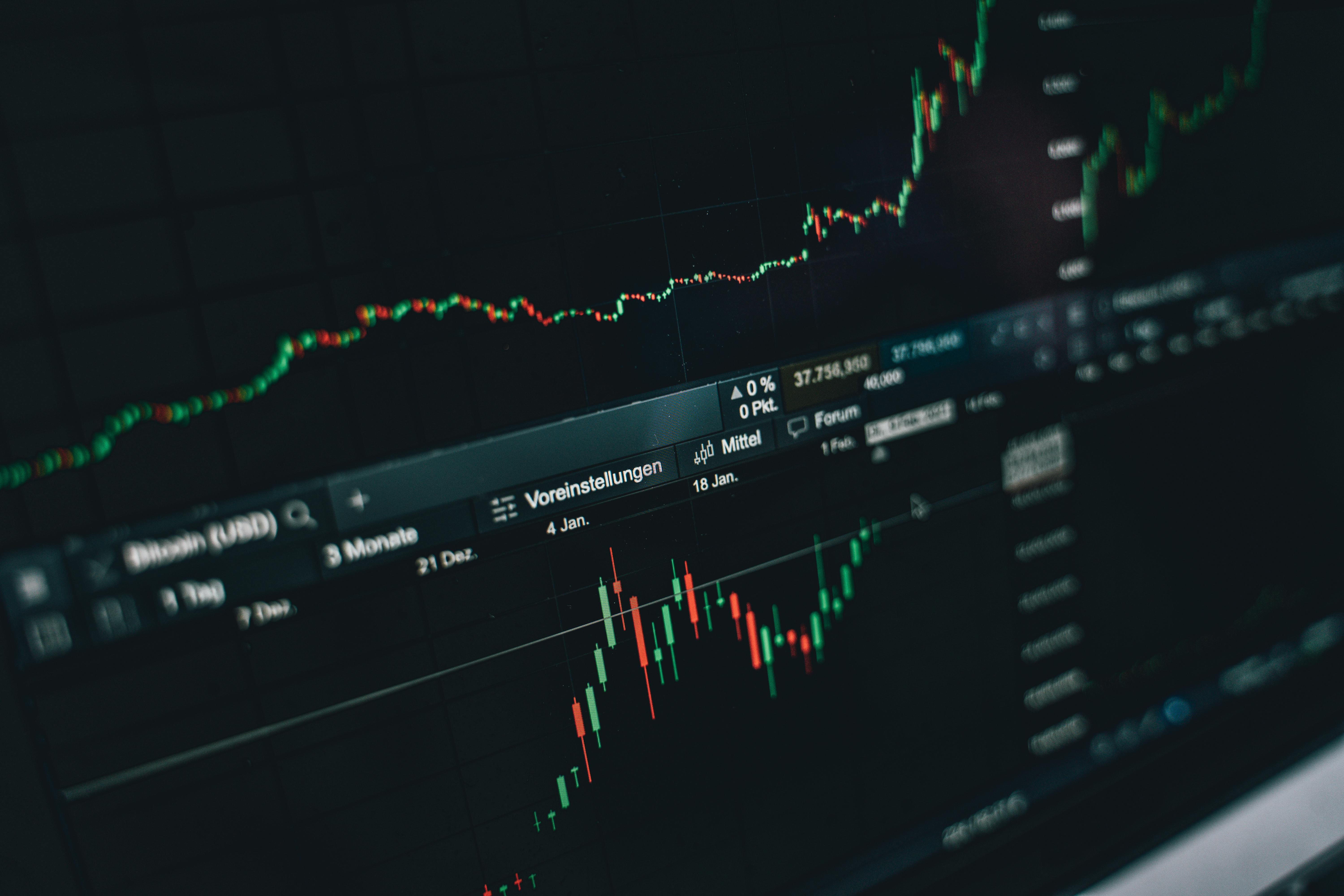
Who Are Crypto Whales?
Crypto whales are individuals or institutions holding large amounts of cryptocurrency.
For example:
- Wallets holding thousands of Bitcoins
- Early investors
- Crypto exchanges
- Institutional funds
These whales have enough capital to influence market prices.
How Whales Influence the Market
Even though blockchain is decentralized, market behavior is heavily influenced by large players.
1. Large Buy Orders
When whales buy huge amounts, prices increase quickly, creating hype.
2. Large Sell-Offs
When whales sell, markets crash due to panic selling.
3. Liquidity Control
Whales can move markets in low-liquidity situations easily.

Data Reality: Wealth Distribution in Crypto
Studies and blockchain data show that a small percentage of wallets hold a large portion of total supply.
This creates a situation where:
- Power is concentrated
- Market movements can be influenced
- Retail investors react to whale activity
This is similar to traditional markets—but often more extreme.
Is Crypto Market Manipulated?
This is where things become controversial.
While crypto markets are not fully regulated, certain patterns suggest influence:
- Sudden price pumps without news
- Coordinated dumps
- Social media hype cycles
However, not all movements are manipulation. Some are natural market reactions.
Role of Exchanges and Institutions
Large exchanges and institutions also play a major role.
- They hold large reserves
- They influence liquidity
- They impact trading volume
This adds another layer of influence beyond individual whales.

Psychology: Why Whales Have Power
The real power of whales is not just money—it’s psychology.
- Retail traders follow trends
- Fear and greed dominate decisions
- People react to price, not logic
This amplifies whale impact significantly.
Decentralization vs Reality
Let’s separate myth from reality:
- Technology: Decentralized ✔
- Ownership: Concentrated ❌
- Market Influence: Unequal ❌
This means crypto is decentralized in structure—but not fully in economic power.
Can Small Investors Compete?
Yes—but only with strategy.
Smart investors:
- Don’t follow hype
- Analyze volume and trends
- Avoid emotional trading
Instead of fighting whales, they follow market signals carefully.
Advantages of Decentralization Still Exist
Despite whale influence, crypto still offers:
- Permissionless access
- Global transactions
- No central authority control
These benefits still make crypto unique.
Final Verdict
So, is crypto truly decentralized?
Yes—technically.
No—economically.
Whales do not control the network, but they influence the market.
This creates a hybrid system where decentralization exists—but power is uneven.
Conclusion
Understanding this reality gives you an advantage.
If you treat crypto as fully fair, you will lose.
If you understand how whales influence markets, you can make smarter decisions.
Crypto is not just technology—it’s a game of psychology, capital, and timing.


Comments
Post a Comment